
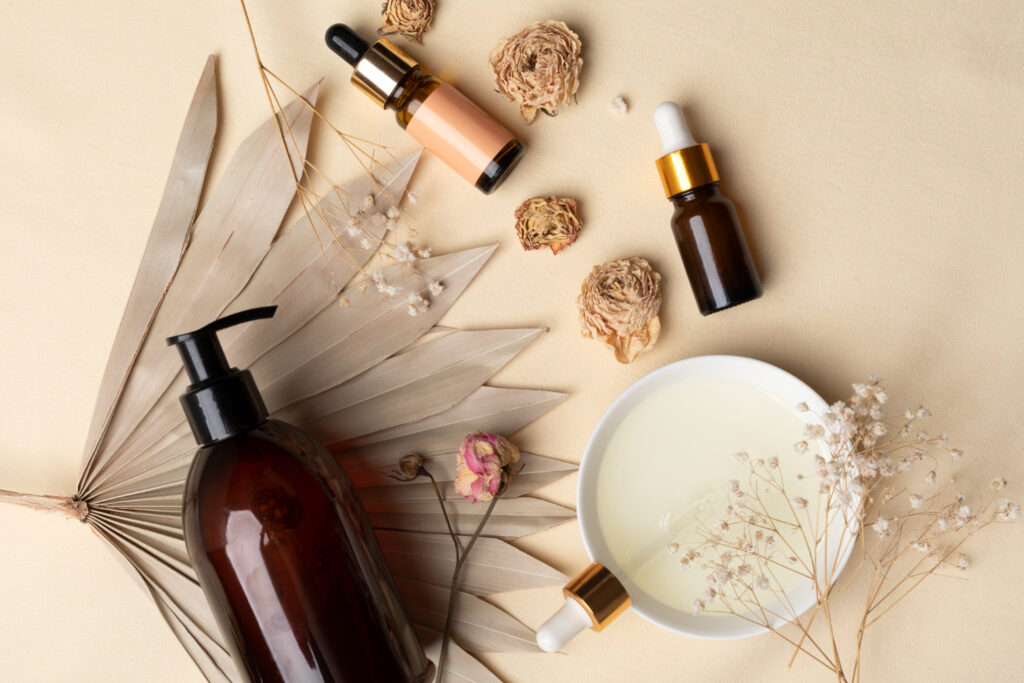
Skincare has become an essential part of modern life, with countless products available promising clear, youthful, and glowing skin. But one question often arises: Are skincare products harmful? The answer isn’t a simple yes or no. While many skincare products are safe and beneficial, some can cause irritation, long-term damage, or unexpected side effects if not chosen carefully. In this article, we’ll explore when skincare products may be harmful, how to identify safe ones, and the best ways to protect your skin.
1. The Truth About Skincare Safety
Most skincare products are formulated to be safe and are tested for consumer use. However, the effects depend on ingredients, quality, skin type, and usage. What works wonders for one person may cause irritation for another. The key lies in understanding what’s inside your products and how your skin reacts.
2. When Skincare Products Can Be Harmful
Not all products are harmful, but certain situations can put your skin at risk:
a) Harsh Ingredients
Some products contain alcohol, sulfates, parabens, or artificial fragrances that can strip natural oils, cause dryness, or trigger allergies.
b) Overuse of Active Ingredients
Ingredients like retinol, AHAs, BHAs, and vitamin C are effective but can be harmful in excess, leading to redness, peeling, or skin sensitivity.
c) Counterfeit and Low-Quality Products
Fake or unregulated products often contain unknown or unsafe chemicals that may cause rashes, burns, or long-term skin damage.
d) Expired Products
Expired skincare loses effectiveness and may cause bacterial contamination, leading to breakouts or infections.
e) Unsuitable for Skin Type
Using oily creams on acne-prone skin or strong exfoliants on sensitive skin may worsen problems instead of solving them.
3. The Role of Ingredients in Skin Safety
Ingredients determine whether skincare helps or harms. Here are common categories:
- Beneficial Ingredients: Hyaluronic acid, niacinamide, vitamin C, ceramides, aloe vera.
- Potentially Harmful (if misused): Retinol, strong acids, hydroquinone.
- Avoidable Ingredients: Harsh alcohols, parabens, formaldehyde, artificial dyes.
Learning to read labels empowers you to make safer choices.
4. Safe Use of Active Ingredients
Actives are powerful but must be introduced correctly:
- Retinol: Start with low concentration, use at night, and follow with sunscreen.
- AHAs/BHAs: Exfoliate only 1–2 times weekly to avoid barrier damage.
- Vitamin C: Use in the morning with SPF to brighten and protect skin.
Using actives correctly ensures benefits without harm.
5. The Importance of Patch Testing
One of the easiest ways to avoid harm is by patch testing. Apply a small amount of the product on your wrist, behind your ear, or inner arm for 24–48 hours. If no reaction occurs, it’s likely safe for your face. This prevents allergic surprises.
6. Myths About Skincare Products Being Harmful
There are many myths surrounding skincare safety:
- Myth 1: All chemicals are harmful.
- Truth: Many beneficial ingredients are chemical compounds.
- Myth 2: Natural is always safe.
- Truth: Even natural oils can clog pores or cause allergies.
- Myth 3: Expensive products are safer.
- Truth: Price doesn’t guarantee safety; ingredients do.
7. Signs That a Skincare Product is Harming Your Skin
Watch out for these warning signs:
- Redness and irritation
- Burning or stinging sensation
- Excessive dryness or peeling
- Breakouts and clogged pores
- Persistent itchiness or swelling
If you notice these symptoms, discontinue use immediately and consult a dermatologist.
8. Tips to Choose Safe Skincare Products
Follow these tips to reduce risks:
- Buy from trusted brands and retailers.
- Check ingredient labels carefully.
- Stick to products made for your skin type.
- Avoid layering too many actives.
- Always wear sunscreen with active ingredients.
9. Are Natural and Organic Products Always Safe?
Not necessarily. While natural products may contain fewer synthetic chemicals, they can still trigger allergic reactions. For example, essential oils can irritate sensitive skin. Always test before using.
10. Professional Guidance for Skincare Safety
Dermatologists can help identify what works best for your skin. If you’re confused or dealing with skin issues like acne, pigmentation, or sensitivity, professional advice is the safest path.
11. Lifestyle and Skincare Safety
Your overall lifestyle also affects how products work:
- Stay hydrated to prevent dryness.
- Get enough sleep for skin repair.
- Manage stress, as it can worsen skin reactions.
- Eat a balanced diet rich in antioxidants for skin resilience.
These habits reduce the chances of skincare products turning harmful.
Conclusion
So, are skincare products harmful? Not inherently. The harm comes from wrong choices, misuse, poor-quality products, or ignoring your skin’s needs. When chosen wisely and used correctly, skincare products can protect, heal, and enhance your skin instead of harming it. The key is to stay informed, listen to your skin, and use products with patience and consistency. Ultimately, skincare is not about following trends but about finding what truly works safely for your unique skin type.