
Why skin care matters
Your skin is your first line of Defence
You know , your skin is like a natural shield –it is your body’s first barrier against the dust, bacteria, harsh weather, and pollution .when you are taking care of your skin you are actually taking care of your entire body from infections and external damages. the skincare is not about looking good its about staying healthy. Just like brushing teeth, taking care of your hair, washing hands it is also an essential hygiene.
Confidence Starts With Skin
We all know that dull skin, breakouts, dull patches, uneven skin tone can impact how we feel. we may lack confidence due to that. In the other case when your skin feels fresh, glowing and looks clear we will feel more confident than before. Good skin always boosts us .It increases our self esteem .Glowing skin can make us feel empowered, helping you to walk into the day with a pretty smile on your face and an extra little bounce in your step.
Before starting a skincare routine all of us will have several doubts like what to use on skin ?,whether we can use this or whether we can use that and the number of questions goes on. So let us give full stop for that . Let us know all about the beginners skincare. No worries, we are here to help.
Here is where you should start first
Understanding Your Skin Type
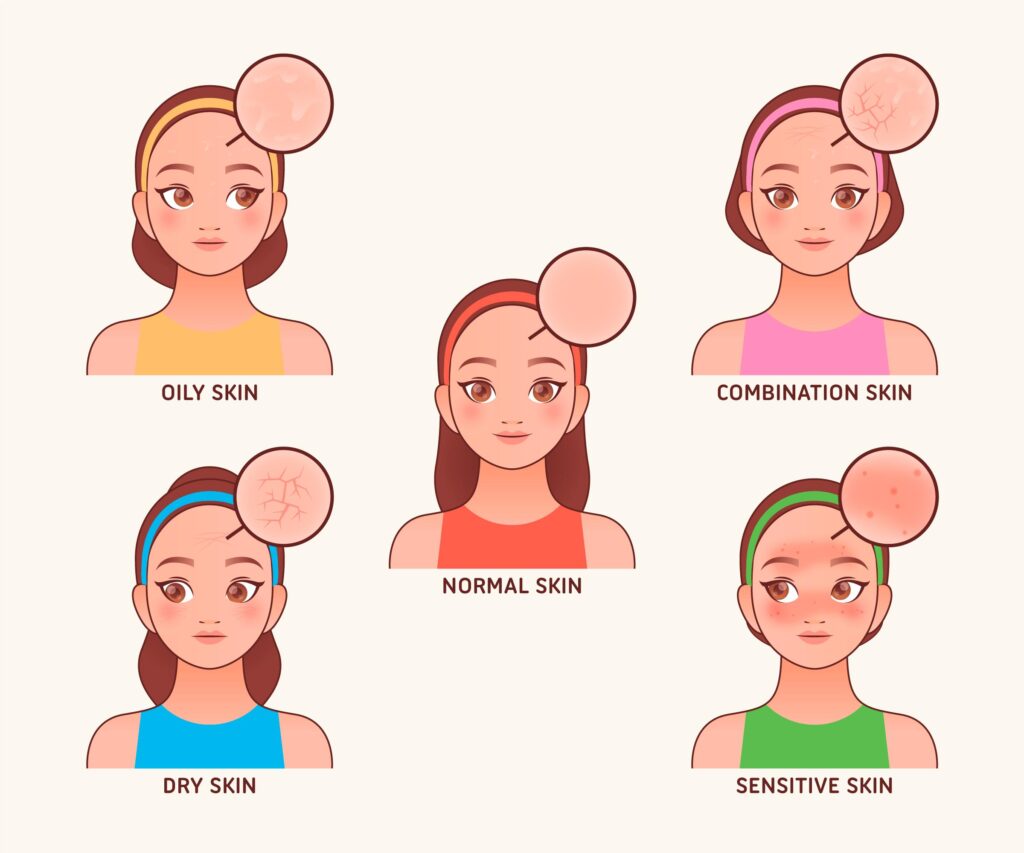
Before picking up that trendy serum or moisturizer ,it is so important to know what your skin really needs. Everyone’s skin is different,and identifying your skin type helps you choose products that actually work instead of causing breakouts or irritation.
Normal Skin
If you have normal skin, you are the luckiest ones ! This type of skin is well balanced – not too oily or too dry. It usually has small pores,an even tone, and minimum sensitivity. Normal skin rarely breaks out and handles all products well.
Oily Skin
Oily skin tends to be shiny, especially in the T- zone – your forehead, nose and chin. You may experience frequent breakouts, blackheads and enlarged pores. This happens due to the skin type producing more sebum than needed , which can clog the pores if it is not managed properly .
Dry Skin
Dry skin feels tight , especially after washing. It might appear rough, flaky, or dull and sometimes be itchy. It lacks moisture and needs hydrating products to restore the skin’s softness and glow.
Combination Skin
Combination skin means you have both oily skin and dry skin areas in your face. Typically, your T-zone area remains oily while your cheeks are dry or normal. It is somewhat tricky to manage but doable with the right balance of the products.
Sensitive Skin
If your skin easily reacts with redness, itching, or burning sensations, especially after applying the products, you likely have sensitive skin. which needs extra gentle care and fragrance-free soothing ingredients.
How to identify your skin type at home ?
Want to figure out your skin type ? wash your face with a mild cleanser and just wait for 30 minutes. If your skin feels tight, it’s dry. If it looks shiny, it’s oily, if you notice both the shiny T-zone and dry cheeks – its combination skin. Redness or irritation points out the sensitive skin. This quick test gives you a good starting point to pick the right products to your skin.
What Are the Five Basic Types of Skincare?
here we can see the five basic types of skincare;
- Cleansing – Cleansers remove sweat, dirt, and
- Exfoliating – Sloughs off dead skin cells (2–3x per week max!).
- Moisturizing – Hydrates and strengthens your skin barrier.
- Treating – Serums or spot treatments for acne, pigmentation, etc.
- Protecting – Mostly sunscreen — shields your skin from UV damage.
What Are the 4 Stages of Skincare?
take a look at the 4 stages of skincare
- Prep – Start with a clean face. Use a mild cleanser.
- Treat – Apply serums or actives based on your skin’s needs.
- Moisturize – Hydration is for everyone — oily skin included!
- Protect – Daily sunscreen = long-term skin happiness.
Basic Skin Care Steps Everyone Should Follow
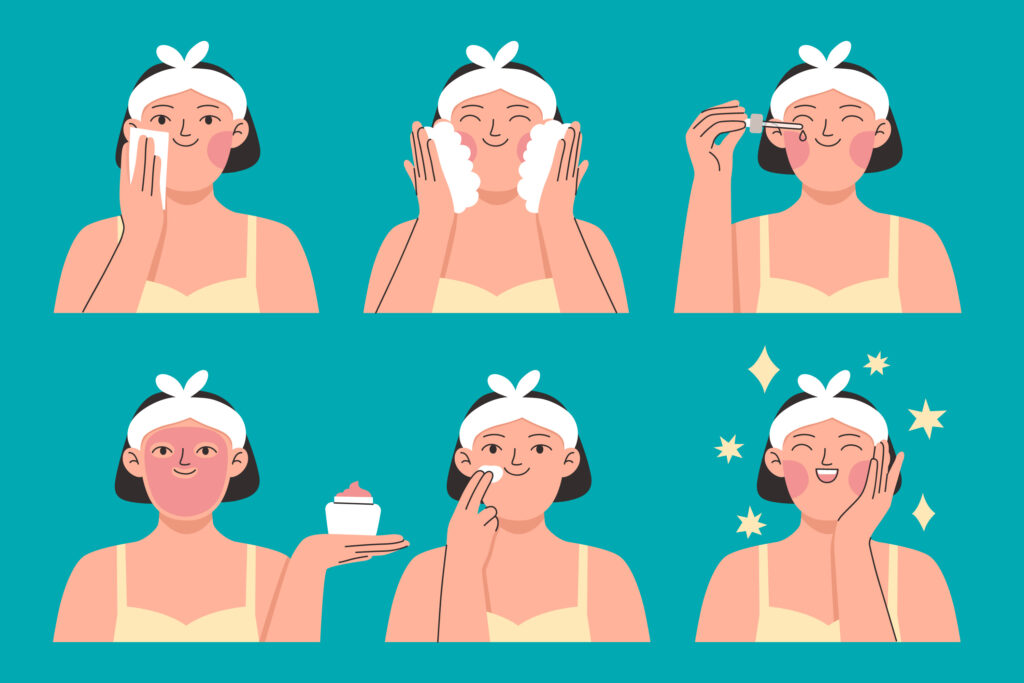
Steps 1 : Cleansing
Start and end your day by using a cleanser. It helps you to remove dirt, sweat, oil and makeup. Using a gentle cleanser suited to your skin type ensures you don’t strip away essential oils. Avoid soap-based cleansers-they make your skin dry and disturb your natural pH.
Step 2 : Toning
A toner helps you to remove leftover impurities after cleansing and balance your skin’s pH. Choose an alcohol free toner to avoid irritation, mainly if you have dry or sensitive skin. Some toners help you to prepare your skin to absorb moisturizers and serums better.
Step 3 : Moisturizing
Hydration is the key for all the skin types. moisturizers lock the water and help your skin to restore its barriers. If you have oily skin, go for a gel based, lightweight formula. For dry skin, use rich cream. Never skip this step- even the oily skin can become dehydrated.
Step 4: Sun Protection (SPF)
Sunscreen isn’t just for sunny days, don’t think like that . UV rays can damage your skin even on cloudy days or indoors through windows. Use an SPF of at least 30 every single day. It prevents sunburns, dark spots, and premature aging.
Additional Steps for Better Skin
Step 5 : Exfoliation
Exfoliating once or twice a week will help you to remove the dead skin cells, revealing smoother and brighter skin. For sensitive skin , go for gentle exfoliant. Overdoing the exfoliation will lead to damage of your skin so be cautious–more isn’t the better .
Step 6 : Face Mask
Face masks can give your skin a boost. Use clay or charcoal masks to control oil, and hydrating masks with ingredients like aloe or hyaluronic acid if your skin feels dry. Apply them once or twice a week.
Step 7 : Serums and Treatments
Serums are lightweight liquids packed with active ingredients. vitamin C brightens, salicylic acid treats acne, hyaluronic acid hydrates deeply, you only need a few drops not more and they will absorb quickly. Apply before moisturizer for best results.
How to Choose the Right Products for Your Skin Type
Ingredients to Look For
If you know your skin type, you can look for specific ingredients that work best:
- Oily Skin: Niacinamide, clay, and salicylic acid help control oil and prevent acne.
- Dry Skin: Look for hyaluronic acid, glycerin, and ceramides for deep hydration.
- Sensitive Skin: Soothing ingredients like aloe vera, chamomile, and oat extract are your best friends.
- Combination Skin: Go for lightweight, gel-based moisturizers and mild exfoliants to balance both zones.
Ingredients to Avoid
- Stay away from rough scrubs with large grains – they can cause microtears and worsen your skin’s conditions.
- Avoid products with alcohol, as it dies out the skin.
- Fragrance is another culprit for the irritation, especially in sensitive skin.
Patch Test Is Must Do
Always do a patch test before trying a new product to your face . dab a bit on your jawline or inner arm and wait for 24 hours. If there’s no redness or irritation ,you are good to go. It is a small step but it can prevent big problems.
Simple Skincare Routines for Each Skin Type
Routine for Oily Skin
Start using a foaming or gel cleanser to remove excess oil. Use a toner with ingredients like salicylic acid. Follow up with a lightweight, oil-free moisturizer and a non-comedogenic SPF.
Routine for Dry Skin
Use a creamy cleanser to avoid taking away moisture. A hydrating toner with rose water or hyaluronic acid is ideal for skin. Choose a rich, nourishing moisturizer and follow with an SPF that includes moisturizing agents.
Routine for Combination Skin
Use a gentle, balanced cleanser. Apply a toner to balance oily and dry areas. Go for a light moisturizer in the T-zone and a heavier one on dry cheeks. Finish with an all around SPF.
Routine for Sensitive Skin
Stick to a fragrance-free, gentle cleanser. Use a calming toner with ingredients like chamomile or rose water. Apply a barrier-repair moisturizer to soothe the skin. Mineral sunscreens with zinc oxide are less irritating than chemical ones.
Mistakes to Avoid as a Beginner
Overdoing Products
Using more products wont give you better results. layering too many products can irritate your skin. start with basics, then only slowly introduce new products one at a time.
Not being consistent
Consistency is the key. Using one product once wont give you results. stick to your daily routine and give your skin time–most of all products give results with in 4 to 6 weeks.
Ignoring sunscreen
SPF isn’t optional. UV rays can penetrate windows and clouds, and unprotected skin can age faster and develop pigmentation, make sunscreen your daily must have .
How Can I Clear My Skin?
let us check the different myth and the real tips that actually works for your skin .
Clear Skin Myths vs. Truth
- Myth: Washing more = clearer skin
- Truth: Over-washing irritates and makes it worse
- Myth: You can scrub away pimples
- Truth: Be gentle!
Real Tips That Actually Work
- Wash your face twice daily
- Don’t sleep with makeup on
- Use non-comedogenic products
- Change pillowcases regularly
- Drink water, eat less sugar
- Don’t pick at acne!
Tips to Maintain Healthy Skin Naturally
Healthy skin isn’t just about products. Drink enough water, eat a balanced diet rich in fruits, vegetables, and healthy fats. Get at least 7–9 hours of sleep. Avoid smoking and excessive alcohol. And don’t forget — stress shows up on your skin, so take time to relax.
When to See a Dermatologist
If you’re struggling with persistent acne, flaky patches, redness, or sudden irritation that doesn’t go away, it’s time to consult a professional. Dermatologists can help identify the root of the problem and suggest effective treatments beyond over-the-counter options.
Conclusion
Getting into skincare as a beginner doesn’t have to be confusing anymore . Start small: know your skin type, use a gentle cleanser, moisturizer, and SPF. Add treatments like exfoliants or serums only when your skin is ready. Trust the process and be patient. Your skin is unique — treat it kindly and consistently, and it will absolutely glow.
FAQs
1. How often should beginners exfoliate their skin?
You should exfoliate 1–2 times a week, depending on your skin type. Too much can cause irritation and dryness.
2. Can I skip moisturizer if I have oily skin?
No, even oily skin needs hydration. Choose an oil-free, lightweight moisturizer to keep your skin balanced.
3. What’s the best age to start a skincare routine?
Starting in your teens is ideal, especially with cleansing and sun protection. Early habits lead to long-term benefits.
4. How long does it take to see results from skincare?
Most skincare products take 4–6 weeks to show visible results. Be consistent and patient.
5. Is natural or DIY skincare safe?
Some natural remedies are safe, but others may irritate the skin. Always patch-test or consult a dermatologist before using anything homemade.
Well-written and concise. Great job.